
Collision avoidance
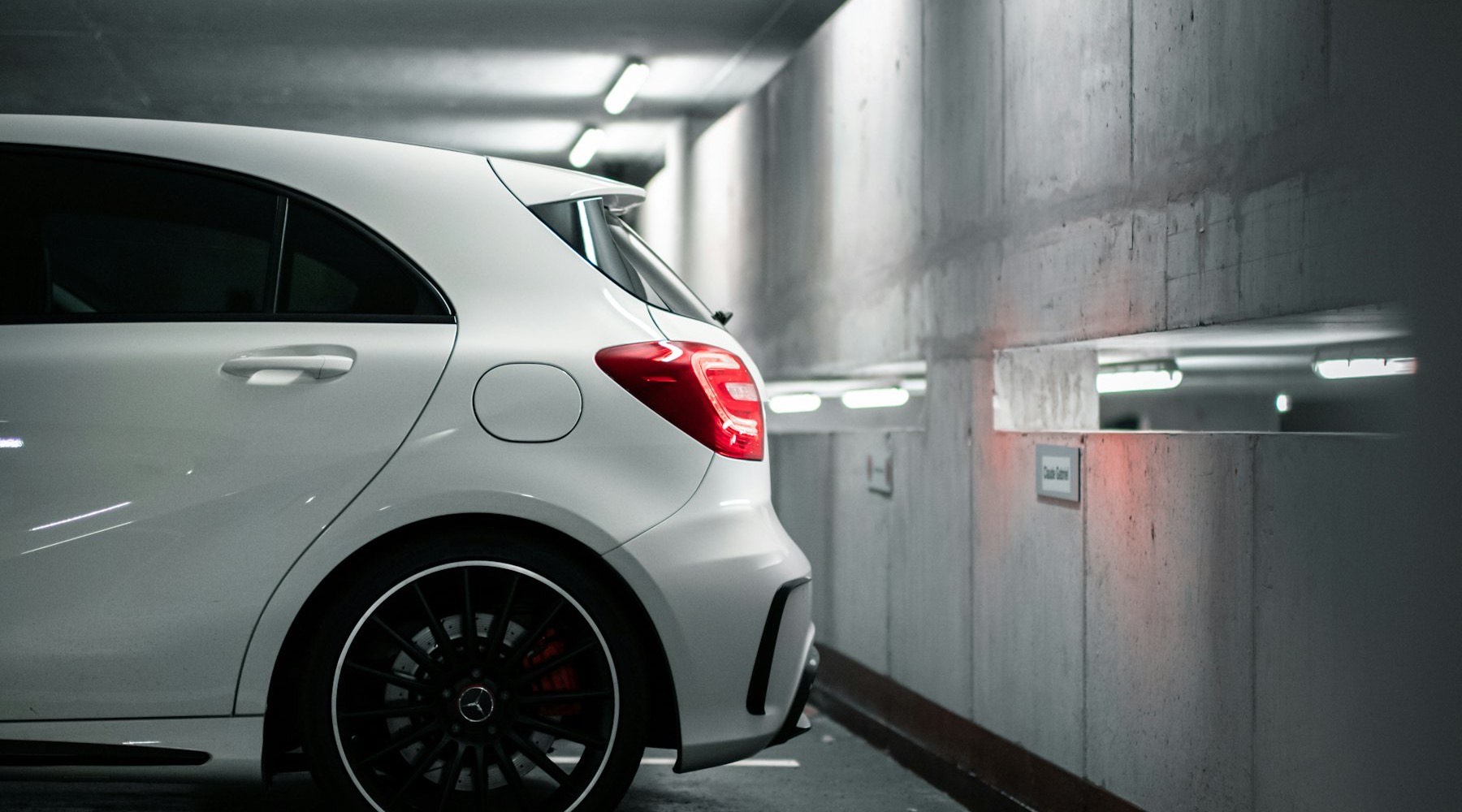
Automatic Emergency Braking
How the car judges the gap ahead, when it warns you and when it brakes for you.
Read the guide

Not sure what the letters mean? Open the glossary
Every guide answers the same questions in the same order, so the second one is quicker to read than the first.
See all guidesEach guide explains what a system watches, what makes it act and the moments it can miss, in words a driver can use.
Collision avoidance
How the car judges the gap ahead, when it warns you and when it brakes for you.
Read the guide
Driver assistance
The difference between a car that warns you about drifting and one that steers you back.
Read the guide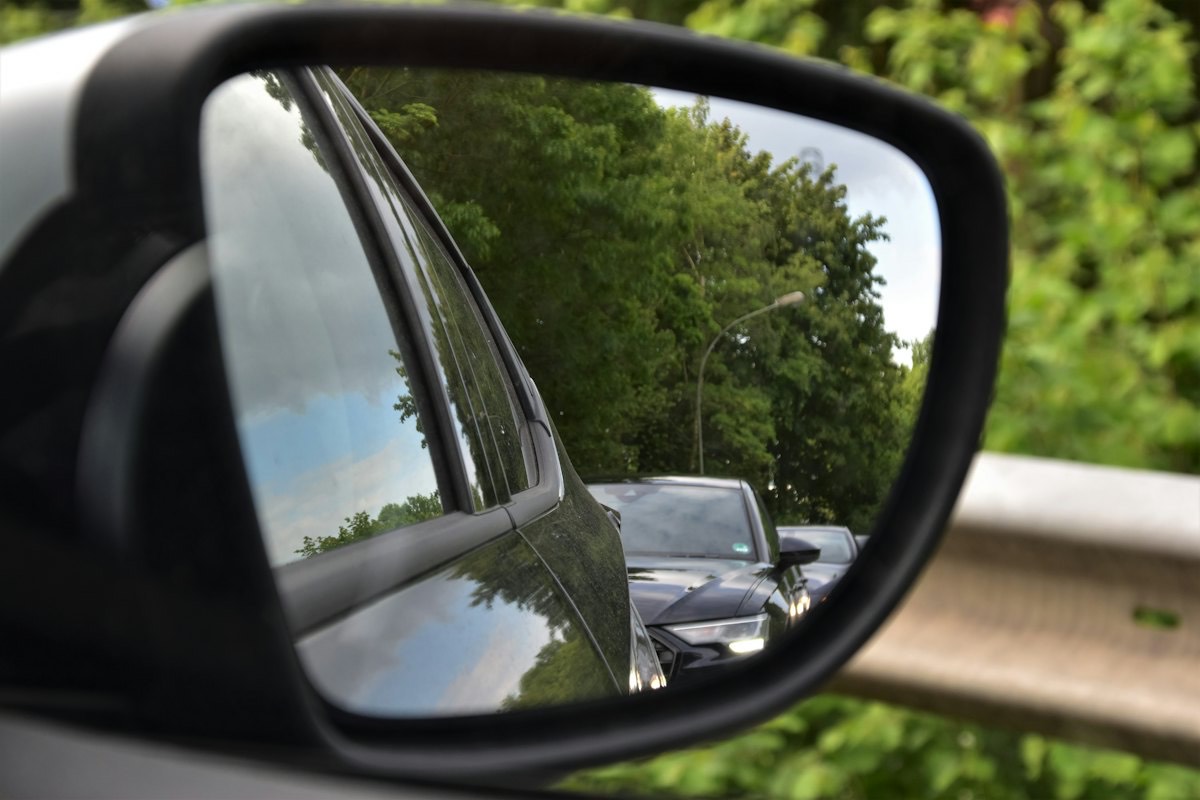
Awareness
What the light in your mirror is watching, how far back it looks and why you still turn your head.
Read the guide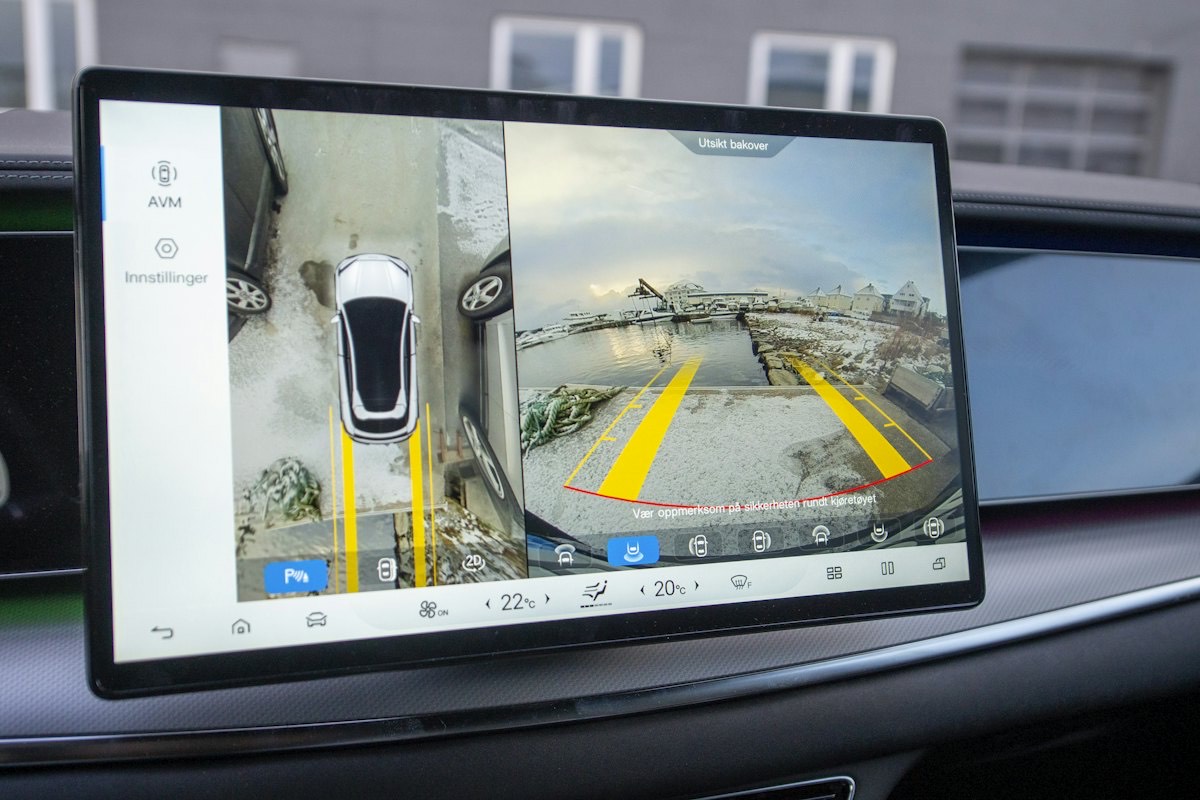
Low-speed maneuvering
Reading the guide lines, what the beeping means and the objects sensors tend to miss.
Read the guide
Vehicle dynamics
What the skidding-car symbol is telling you, and what happens when you switch it off.
Read the guide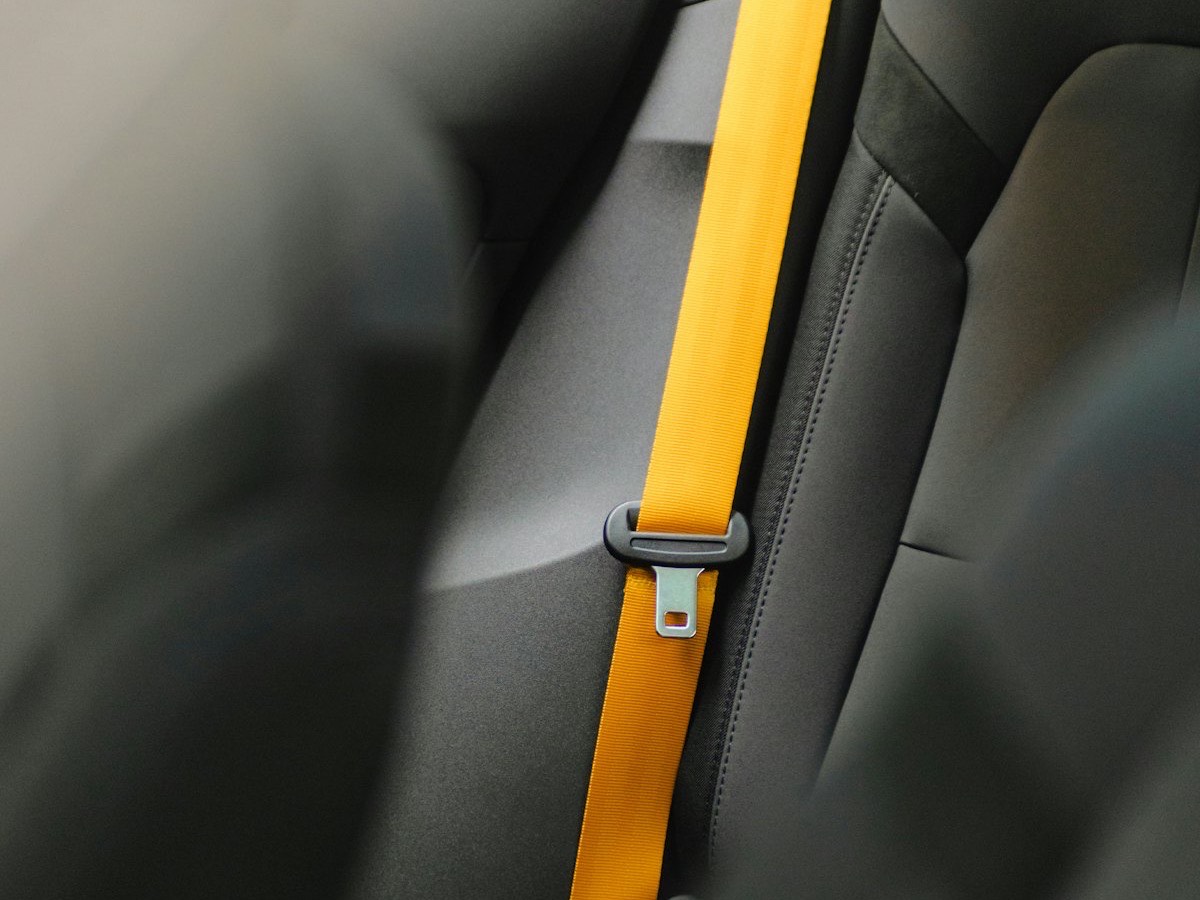
Occupant protection
Where the airbags are, how the passenger seat decides, and what the airbag lamp is saying.
Read the guideMost of these systems share a handful of sensors. Knowing where they sit tells you what to keep clean and which side of the car each warning is about.
Outside these shapes a system sees nothing at all, and inside them it can still be fooled by rain, dirt or a low sun. Each guide lists the conditions that matter most.
We explain the safety systems that are already in your car, so the chime, the light and the tug on the wheel make sense the moment they happen.

Organized by system,
not by badge
Anyone who has bought, borrowed or rented a car with features nobody explained. A beep you did not expect, a symbol you have never seen, a wheel that moved on its own: each has a reason, and the reason is usually simple.
The same guide stays useful when you change cars, because the systems work in much the same way from one maker to the next.
About usWe are not a carmaker, a dealer, a repair shop or an insurer, and nobody in those businesses pays for what we write.
We cannot tell you whether your own car has a fault. For that you need your manual, a dealer or a qualified technician.
About us
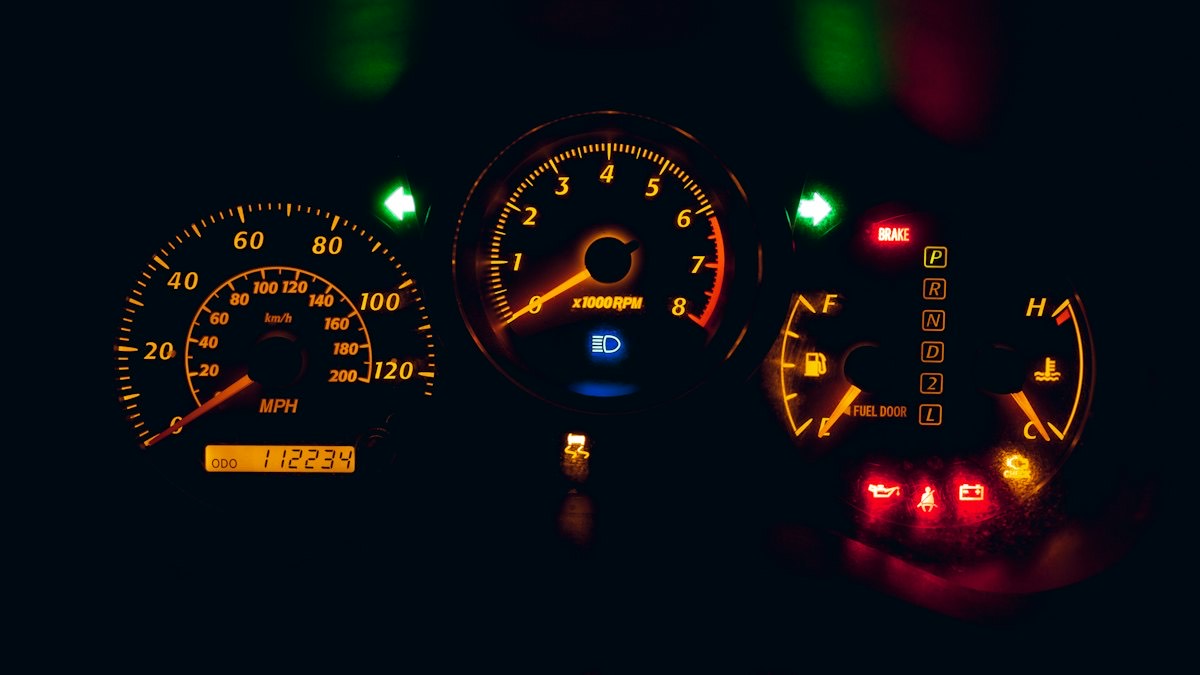
Dashboard lights
Color tells you how soon to act. The symbol tells you which system is speaking.
Read the color first
Symbols vary by maker. Your manual has the full set.
Read firstDrive with fewer surprises
Know the system
before you
need it
You do not need to learn everything at once. Pick one system, see how it behaves on your car, and move to the next.
Start with the system you have questions about. Each guide covers what it watches, what makes it act and where it can fall short.
Open your owner’s manual at the same system. Note what your maker calls it, the speeds it works at and what its symbol looks like.
An empty parking lot is a good place to hear the parking tones, see the mirror light and learn what a lane alert feels like.
Come back when you change cars, or let us send you one short guide at a time by text.

Example text
Safe Auto Partners: New guide. What the flashing skid light on your dashboard means, and why to ease off when you see it. safeautopartners.com/traction-stability-control Reply STOP to opt out.
One topic per message, a few times a month at most.
Choose account notifications, marketing texts with new guides and reminders, or both. Each is its own box, and STOP ends either one.
Choose your textsFurther reading
All guides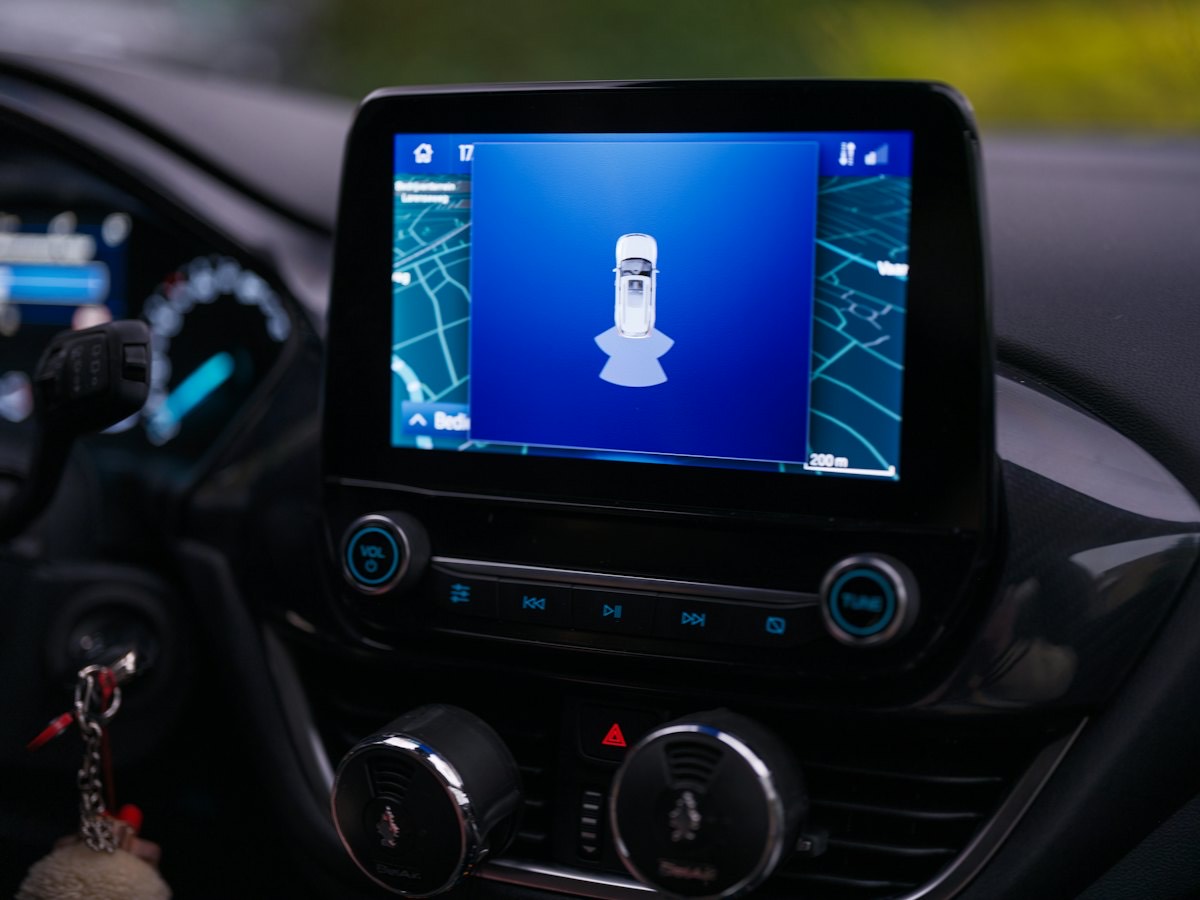
22terms
explained
11lights
decoded
