What it does
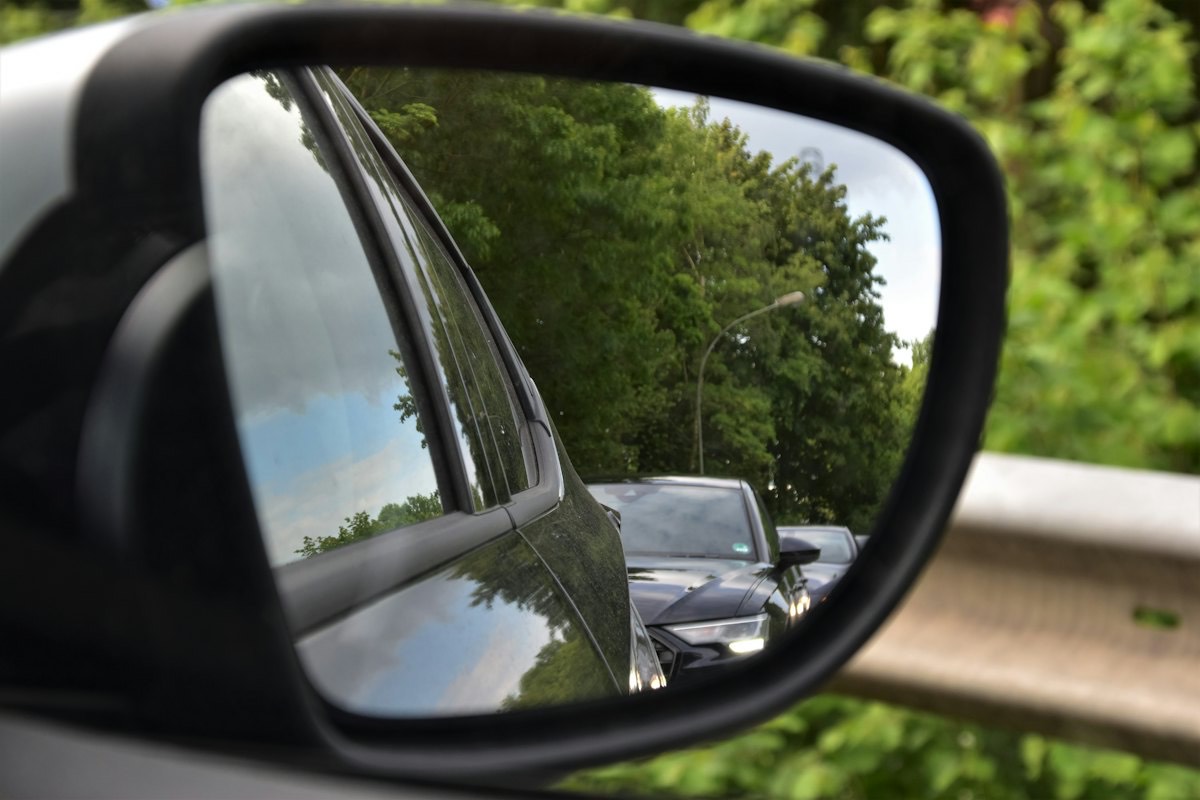
A light in the side mirror, or on the pillar beside it, comes on while a vehicle sits in the zone next to you. If you signal toward that side, the light flashes and many cars add a chime. Some cars go further with blind spot intervention, braking one side or nudging the steering to stop a lane change.
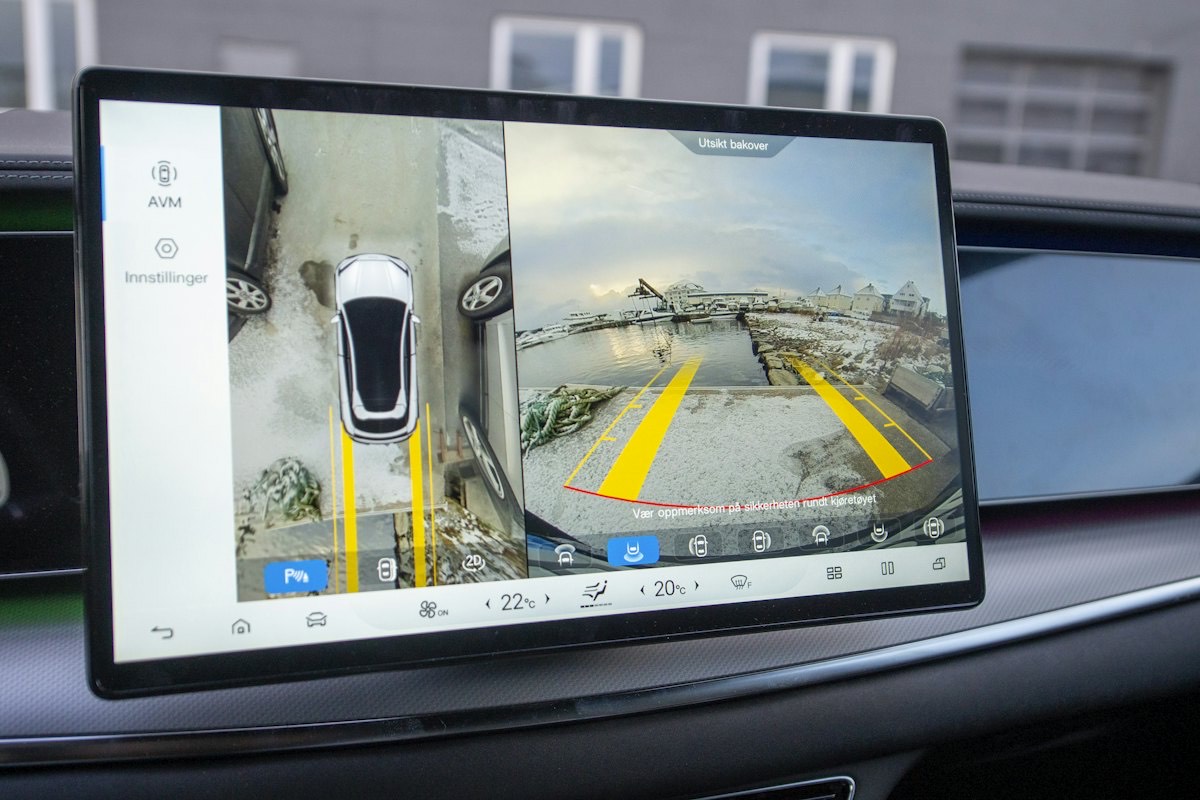
The same sensors usually run rear cross traffic alert, which warns of vehicles approaching from the side while you reverse out of a parking space.
How it senses
Short-range radar units sit behind the plastic of the rear bumper, one at each corner. You cannot see them, which is why it is easy to cover them without knowing.
What sets it off
A vehicle entering the zone beside you, or one approaching it fast from behind on some systems. Parked cars and guard rails are normally filtered out, though roadside barriers can still cause the odd false alert.
Where it stops
- A vehicle closing very fast from far back can reach your side before the light comes on.
- Motorcycles and bicycles are small radar targets and may be missed.
- Mud, snow, ice, a bumper sticker, a bike rack or a trailer can block the sensors. Some cars have a trailer setting that extends the zone.
- The zone has a fixed size. It does not usually reach two lanes over, where a car moving into the same gap as you can come from.
Check for your car
- Whether your car only warns or also steers or brakes.
- How it tells you the sensors are blocked.
- Whether it has a trailer setting.
- Whether rear cross traffic alert can also brake the car.
Whatever the answers, the light is a second opinion. A quick look over your shoulder before every lane change is still the habit that catches what the radar does not.
This guide describes how the system generally works. Makers tune and name their systems differently, so your owner’s manual is the final word for your vehicle.
Next guideBackup Cameras and Parking Sensors